
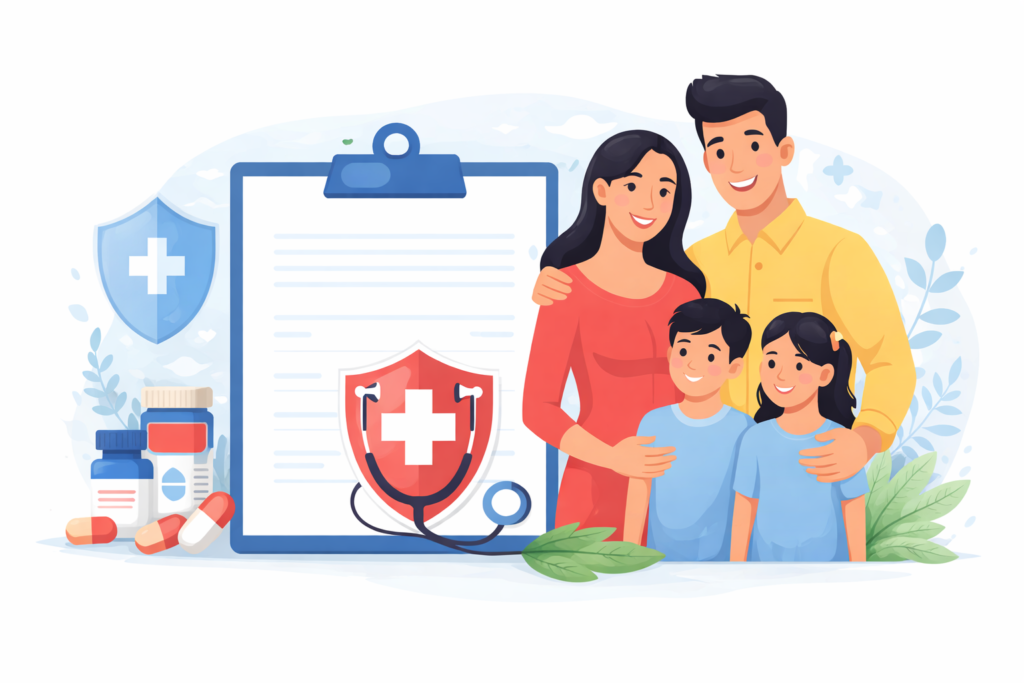
Medical insurance policy coverage is becoming more important as medical treatment costs in India are rising fast — and most buyers still believe that health insurance only covers long hospital stays. But did you know that many modern treatments get completed in just a few hours? This is where day-care procedures come in.
TL;DR:
A day-care procedure in health insurance is a medical treatment that requires hospitalization for less than 24 hours due to advanced medical technology. It is covered under most health policies, and helps buyers save money on short-duration treatments.
If you are choosing an affordable medical insurance plan and want clarity before buying, this guide will help you pick a Medical insurance policy that fits your budget and personal needs — confidently.

PAS Framework
Problem
People often assume health insurance is only useful during long hospital admissions. So they skip insurance, thinking: “Small treatments I will pay from my pocket.” But these “small” treatments are no longer cheap.
Agitate
Dental surgeries, minor eye operations, ENT procedures, endoscopies, and chemotherapy are completed within a few hours — but can still cost anywhere from ₹10,000 to ₹1,50,000. Without insurance, buyers are forced to break savings or borrow money, even for these short procedures.
Solution
Medical insurance policies now cover day-care procedures, ensuring that even short treatments are protected. For budget-conscious buyers, this makes insurance more practical, valuable, and cost-efficient.
What is a Day-Care Procedure in Medical Insurance Policy?

A day-care procedure is a medical treatment or surgery that requires hospitalization, but not for 24 hours. Advancements in medical technology (like lasers, scopes, and minimally invasive methods) allow faster recovery and same-day discharge.with Medical Insurance Policy we provide best services.
Example:
An endoscopy for digestive issues may take just 30–40 minutes but still requires hospital equipment, monitoring, and specialist care — so it qualifies as a day-care procedure.
Key Characteristics:
- Requires hospital admission
- Needs advanced medical equipment
- Completed within a few hours
- Does not require 24-hour stay
Important Note:
Day-care is not the same as OPD (Outpatient Department). OPD includes consultations or medicines that do not require admission.
Why Health Insurance Policy Matters for Budget-Smart Insurance Buyers
Health care expenses in India are increasing rapidly, making financial protection more important than ever. A well-chosen medical insurance policy helps individuals and families manage unexpected hospital bills without disturbing their savings. Budget-smart buyers understand that even a short hospital visit can lead to significant costs. That’s why investing in the right medical insurance policy ensures access to quality treatment without financial pressure. Modern policies also cover day-care procedures, diagnostics, and cashless hospitalization. This makes health insurance not just a safety net, but a smart financial decision. For cost-conscious individuals, having proper coverage today prevents financial stress tomorrow.
Today’s buyers want affordable medical insurance that protects their savings without overpaying on premiums. Day-care coverage supports that goal in 3 major ways:
1. Medical Insurance Policy Saves Out-of-Pocket Expenses
A medical insurance policy plays a major role in reducing out-of-pocket medical expenses during health emergencies. Without coverage, even a short hospital visit can lead to significant financial strain. With the right medical insurance policy, costs like hospital room charges, surgeries, and diagnostic tests are largely covered. This prevents families from using savings or borrowing money for treatment. Many plans also include day-care procedures, medicines, and pre- and post-hospitalization expenses. A well-chosen medical insurance policy ensures that quality healthcare remains affordable when it’s needed most. In the long run, it protects both your health and your financial stability.
Many common treatments are now handled as day-care, such as:
- Cataract removal
- Chemotherapy
- Radiotherapy
- Minor fracture treatments
- Sinus surgeries
These can cost significantly — insurance absorbs that cost.
2. Matches Real Medical Trends
A modern medical insurance policy is designed to match real medical trends and evolving treatment methods. Today, many procedures are completed within hours thanks to advanced technology and minimally invasive techniques. A good medical insurance policy adapts to these changes by covering day-care treatments and specialized therapies. This ensures policyholders are financially protected even when hospitalization is short. As healthcare shifts toward faster recovery and outpatient care, coverage must stay relevant. Choosing a medical insurance policy that reflects current medical practices means better support during real health situations. It’s a practical way to stay prepared for how treatment works today, not how it worked years ago.
3. Makes Insurance More Affordable
A well-planned medical insurance policy helps make healthcare more affordable for individuals and families. Instead of paying large hospital bills at once, policyholders only manage a small premium regularly. A good medical insurance policy covers major expenses like surgeries, hospital stays, and diagnostic tests, reducing financial pressure. This support prevents people from using savings or taking loans during medical emergencies. Many plans also include day-care treatments and preventive care, which lowers long-term health costs. By spreading risk across many policyholders, a medical insurance policy makes quality treatment accessible at a manageable cost. In the long run, it protects both your health and your budget.
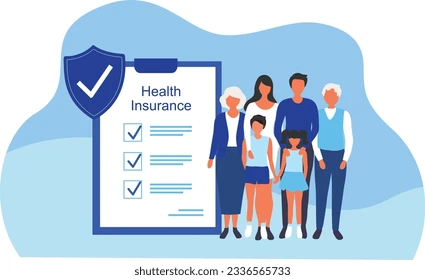
Instead of expensive critical illness add-ons for every treatment, day-care inclusion in a medical insurance policy gives broad protection in a single premium — making it a smarter financial choice.
Common Day-Care Procedures Covered in Medical Insurance policy
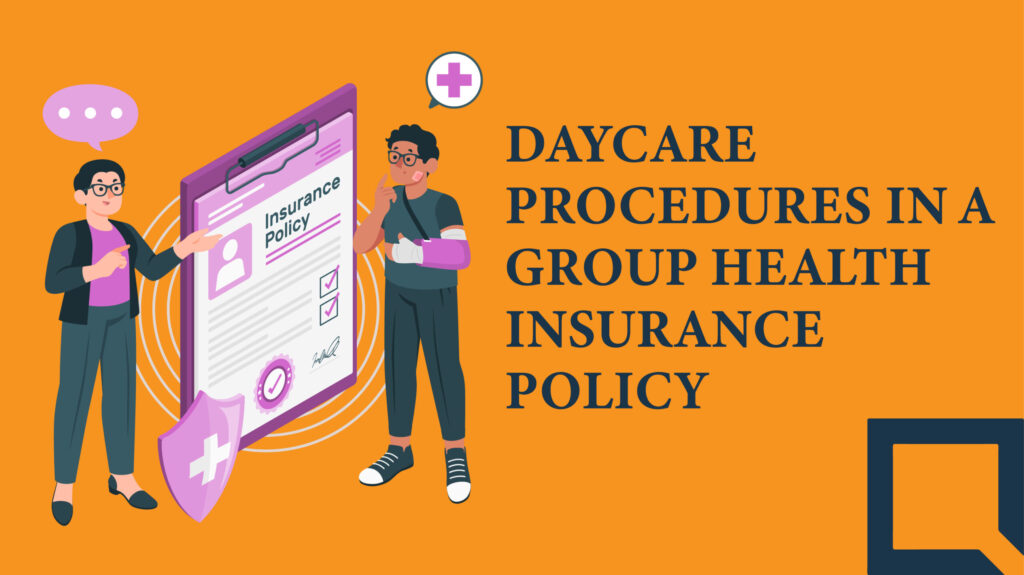
Many people are surprised to learn how many treatments are covered under a Medical Insurance policy without requiring a 24-hour hospital stay. Day-care procedures such as cataract surgery, dialysis, chemotherapy, and minor orthopedic surgeries are commonly included. A good Medical Insurance policy ensures that these short-duration treatments don’t become a financial burden. With medical technology improving, several procedures now take only a few hours but can still be expensive. Coverage for day-care treatments helps policyholders access timely care without delaying treatment due to cost concerns. Choosing a plan that includes a wide list of day-care procedures makes your Medical Insurance policy more valuable. It provides both medical support and financial peace of mind when you need it most.
While the exact list differs by insurer, here are widely covered categories:
1. Eye-Related
- Cataract Surgery
- Glaucoma Treatment
- Corneal Transplant
- Retinal Procedures
2. ENT (Ear, Nose, Throat)
- Sinus Surgery
- Tonsillectomy
- Tympanoplasty
- Nasal Polypectomy
3. Cancer-Related
- Chemotherapy
- Radiotherapy
- Immunotherapy
4. Orthopedic
- Plaster Application
- Minor Fracture Surgeries
5. Gastrointestinal
- Endoscopy
- Colonoscopy
6. Dermatology & Cosmetic
- Biopsy Procedures
- Minor Skin Surgeries
(Excludes purely cosmetic treatments)
7. Others
- Dialysis
- Angiography
Most insurers also publish a detailed list in policy documents — always review before buying.
Day-Care vs OPD vs Inpatient — Clear Difference
Understanding the difference between treatment types helps you choose the right medical insurance policy. Day-care procedures are treatments that require hospital admission for a few hours but not a full day. OPD (Outpatient Department) covers doctor consultations, minor treatments, and tests where hospitalization is not needed. Inpatient care refers to treatments where a patient stays in the hospital for at least 24 hours. A comprehensive medical insurance policy may cover inpatient care fully but offer limited or add-on coverage for OPD expenses. Day-care coverage in a medical insurance policy bridges the gap between OPD and long hospital stays. Knowing these differences ensures you select coverage that truly matches your medical needs.
| Type | Duration | Admission Required? | Example |
|---|---|---|---|
| Inpatient | >24 hours | Yes | Bypass surgery, major fracture |
| Day-Care | <24 hours | Yes | Cataract, endoscopy, chemotherapy |
| OPD | 0 hours | No | Consultation, medicines, tests |
This clarity helps buyers choose the right policy based on real needs
How Claims Work for Day-Care Procedures
Understanding how claims work for day-care treatments helps you use your Medical Insurance policy without confusion. Since these procedures don’t require 24-hour hospitalization, the process is usually faster and simpler. In a cashless claim, the hospital coordinates directly with your Medical Insurance policy provider for approval. You just need to show your health card and valid ID at a network hospital. For reimbursement claims, you pay first and later submit bills, reports, and discharge summaries. Once documents are verified, the insurer settles the eligible amount as per your Medical Insurance policy terms.
Additionally, being aware of coverage limits and sub-limits for day-care procedures helps avoid unexpected out-of-pocket expenses. Some policies include pre- and post-procedure expenses, such as doctor consultations, medications, and diagnostic tests, which can be claimed along with the main procedure cost. Always check whether your Medical Insurance policy covers these associated costs. Knowing the claim process, documentation requirements, and coverage scope in advance ensures smoother approvals, faster settlements, and stress-free treatment during medical needs. It also helps you plan short-term treatments efficiently without financial surprises.
If you want, I can also turn this into a fully SEO-friendly 8–10 line paragraph with keywords like health coverage plans and short term health care naturally integrated. This would be perfect for your blog section on day-care procedures. Do you want me to do that?
Claims work similar to regular hospitalization cases.
Option 1: Cashless Claim
- Available at network hospitals
- Submit health card + ID
- Hospital coordinates directly with insurer
- Little or no payment from your pocket (except exclusions)
Option 2: Reimbursement Claim
- Pay at hospital
- Submit documents to insurer
- Get money credited back
Documents Needed
When filing a claim under a medical insurance policy, keeping the right documents ready makes the process smooth and faster. The most important document is the hospital discharge summary, which includes diagnosis and treatment details. You also need original hospital bills, payment receipts, and pharmacy invoices. Diagnostic reports like lab tests, X-rays, or scan results are often required to support the claim. A valid ID proof and your medical insurance policy card or policy number must also be submitted. For reimbursement claims, a completed claim form signed by the hospital may be necessary. Having these documents organized ensures your medical insurance policy claim is processed without unnecessary delays.
- Doctor Prescription
- Admission & Discharge Summary
- Hospital Bills & Reports
- Payment Receipts
- Claim Form
Good insurers also offer digital claim support for faster processing.
How to Choose an Insurance Policy with Good Day-Care Coverage (Buyer Checklist)
Choosing the right Medical Insurance policy with strong day-care coverage starts with checking the list of included procedures. Make sure common treatments like cataract surgery, dialysis, chemotherapy, minor surgeries, and certain diagnostic procedures are covered without requiring a 24-hour hospital stay. Policies that offer extensive day-care coverage allow you to receive timely medical attention without the need for prolonged hospitalization, reducing both stress and medical costs.
A good Medical Insurance policy should clearly specify the number of day-care procedures covered in the policy document. This ensures transparency and helps you plan your healthcare needs effectively. Always verify whether cashless treatment is available for day-care procedures at network hospitals, as this can significantly ease the financial burden during treatment.
It’s equally important to review sub-limits or caps that may apply to specific treatments. Some policies may have a limit on the number of times certain procedures are covered or may restrict the claim amount per procedure. Knowing these details beforehand prevents surprises during claims and ensures smoother access to treatment.
Comparing multiple plans is crucial to finding a Medical Insurance policy that balances premium cost with wider coverage. Consider factors such as network hospital strength, claim settlement ratio, coverage exclusions, and additional benefits like wellness programs or preventive health check-ups. This way, you can select a policy that provides comprehensive day-care benefits while remaining affordable.
A careful evaluation ensures you get better medical protection without financial surprises later, helping you focus on recovery rather than worrying about bills.
If your goal is value-based insurance selection, follow this simple checklist:
- Check the list of covered day-care procedures – ensure commonly needed treatments are included.
- Verify cashless availability at network hospitals for day-care procedures.
- Review sub-limits and caps on specific treatments to avoid unexpected expenses.
- Compare multiple plans for coverage vs. premium to maximize value.
- Assess network hospital strength and claim settlement ratio to ensure smooth access to care.
- Check for additional benefits like preventive care, wellness programs, and family floater options.
- Read the policy document carefully to avoid hidden exclusions or limitations.
By following this checklist, you can confidently choose a Medical Insurance policy that not only covers hospitalization but also provides strong day-care benefits, ensuring comprehensive protection for your health and finances.
1. Check Number of Day-Care Procedures Covered
Before buying a plan, always check the number of day-care procedures covered in the medical insurance policy. Many modern treatments no longer require a 24-hour hospital stay, making this coverage very important. A comprehensive medical insurance policy may cover hundreds of day-care procedures, while basic plans may include only a limited list. Reviewing this detail helps you avoid unexpected out-of-pocket expenses later. It also ensures you can access advanced treatments without worrying about hospitalization duration rules. Comparing the day-care coverage across plans helps you choose a medical insurance policy that offers better real-world value. This small check can make a big difference during actual medical needs.
Some policies specify lists (like 140 or 500 procedures)
Better policies mention: “All medically necessary day-care procedures covered”
2. Check Network Hospital Strength
Before choosing a health plan, always check the strength of the insurer’s hospital network. A wide network means you can access cashless treatment in more locations without worrying about upfront payments. Strong hospital partnerships make your medical experience smoother during emergencies. A reliable medical insurance policy should include reputed multi-specialty hospitals near your home or workplace. This ensures faster admission and less stress during urgent situations. Network strength also matters when you travel, as coverage in multiple cities gives added security. Picking a medical insurance policy with a large and trusted hospital network improves both convenience and financial protection.
More network hospitals = better cashless convenience
3. Check Exclusions
Look for:
- Cosmetic procedures
- Dental (unless accidental)
- Infertility treatments
4.Check Claim Settlement Ratio
Before buying a health plan, always review the insurer’s claim settlement ratio. This ratio shows how many claims the company has successfully settled compared to those received. A higher ratio indicates that the insurer is more reliable during medical emergencies. Choosing a medical insurance policy from a company with a strong claim settlement record gives greater peace of mind. It reduces the risk of claim rejections when you actually need financial support. A trustworthy medical insurance policy provider ensures smoother processing and faster approvals. Checking this factor helps you select coverage that is dependable when it matters most.
Higher ratio = better reliability
5. Match Coverage with Real Needs
For example:
- For cancer family history → ensure chemo/radiotherapy coverage
- For senior parents → cataract limits matter
- For dialysis cases → repeated procedures matter
This approach ensures you buy a medical insurance policy that fits both budget & personal needs.
Who Really Benefits from Medical Insurance Policy?
A Medical Insurance policy is beneficial for anyone who wants financial protection against rising healthcare costs. Young professionals benefit by avoiding sudden medical expenses early in their careers. Families rely on a Medical Insurance policy to manage hospital bills for children, parents, or spouses without draining savings. Senior citizens especially gain support as medical needs increase with age. Even healthy individuals benefit because unexpected illnesses or accidents can happen at any time. A comprehensive Medical Insurance policy also helps people access better hospitals and cashless treatment options. Simply put, anyone who values both health security and financial stability can benefit from having the right coverage.
This coverage is especially beneficial for:
- Senior citizens (cataract, ENT, chemo)
- People with chronic diseases (dialysis, chemo)
- Working professionals (minor surgeries, endoscopy)
- Cancer patients (chemo & radiation cycles)
- Families with long-term health risks
For these groups, day-care coverage avoids repeated out-of-pocket expenses.
FAQ
Q1: Do all health insurance policies cover day-care procedures?
Most modern policies do, but coverage levels differ. Always verify in the policy brochure.
Q2: Is OPD covered under day-care?
No. OPD involves no admission. Day-care requires hospital admission.
Q3: Are dental procedures covered as day-care?
Only if hospitalization is required due to accidents. Cosmetic dental treatments are excluded.
Q4: Is cataract surgery covered?
Yes, cataract is one of the most commonly covered day-care procedures.
Q5: What about chemotherapy?
Chemotherapy and radiotherapy are usually covered as day-care.
Conclusion
Medical treatments have evolved — and health insurance has adapted. Day-care procedures ensure that short, advanced treatments don’t become financial burdens. For budget-conscious and informed buyers, this means:
✓ Broader protection
✓ Practical relevance
✓ Lower out-of-pocket expenses
✓ Better value from premiums
✓ Smarter financial planning
If your goal is to select affordable medical insurance with meaningful protection, always check for strong day-care coverage before buying. It ensures the medical insurance policy truly supports real-life medical needs — without stretching your budget.